

To promote the interdisciplinary advancement of planetary science and exploration technology and broaden the academic horizons of young researchers, the 2026 Astrobiology Summer School took place on the East Campus of the University of Science and Technology of China (USTC)
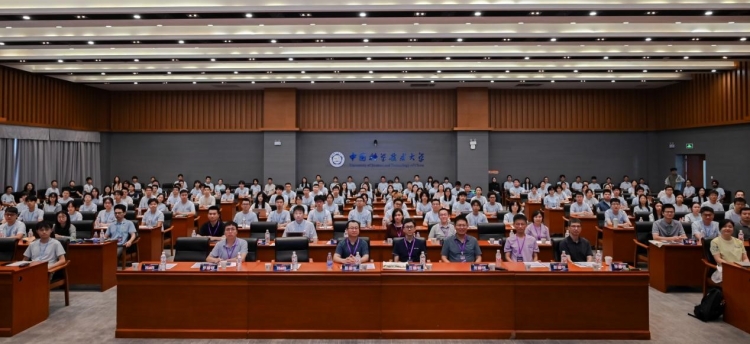
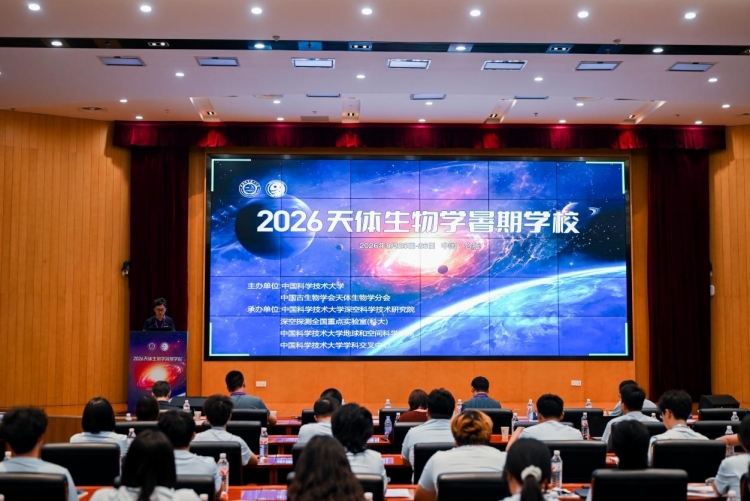
from August 25 to 26. Co‑organized by the University of Science and Technology of China and the Astrobiology Branch of the Palaeontological Society of China, the event was jointly hosted by the Institute of Deep Space Science and Technology of USTC, the National Key Laboratory of Deep Space Exploration (USTC), the School of Earth and Space Science of USTC, and the Interdisciplinary Research Center of USTC. The summer school invited experts in astrobiology and related fields at home and abroad to deliver a series of special lectures and facilitate academic exchanges for young participants. More than 230 young scholars and students from over 70 research institutions worldwide attended the event.
On the morning of August 25, Professor Huaiwei Ni - Executive Dean of the School of Earth and Space Sciences of USTC, presided over the opening ceremony of the Summer School. Professor Yuming Wang - Vice President of USTC, and Dr. Zongjun Yin, Chairman of the Astrobiology Branch of the Palaeontological Society of China and the Nanjing Institute of Geology and Palaeontology of the Chinese Academy of Science, attended the opening ceremony and delivered welcome speeches.
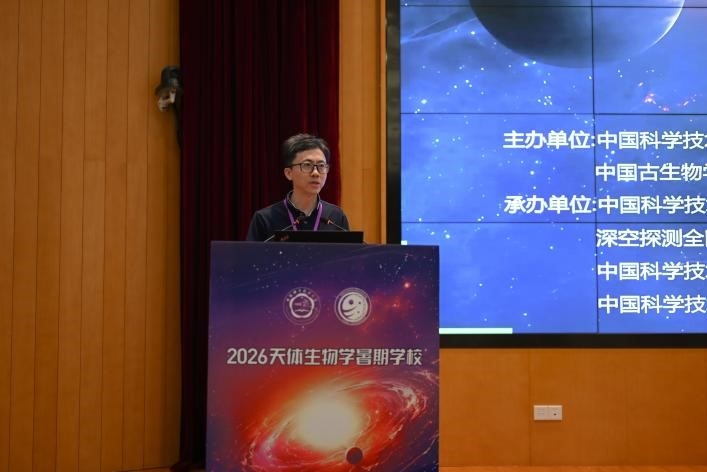
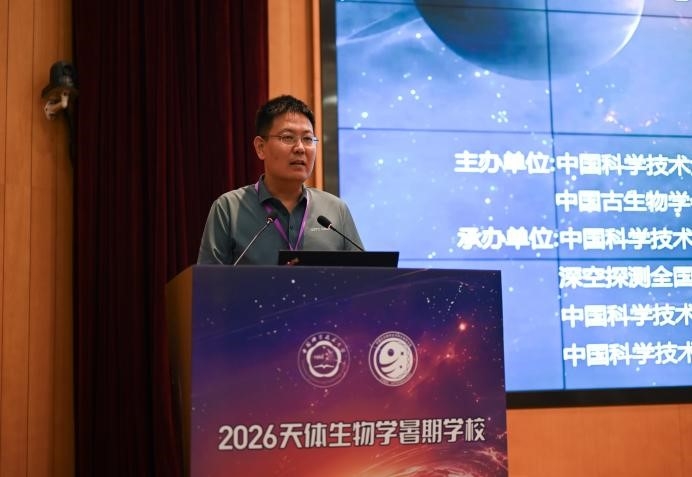
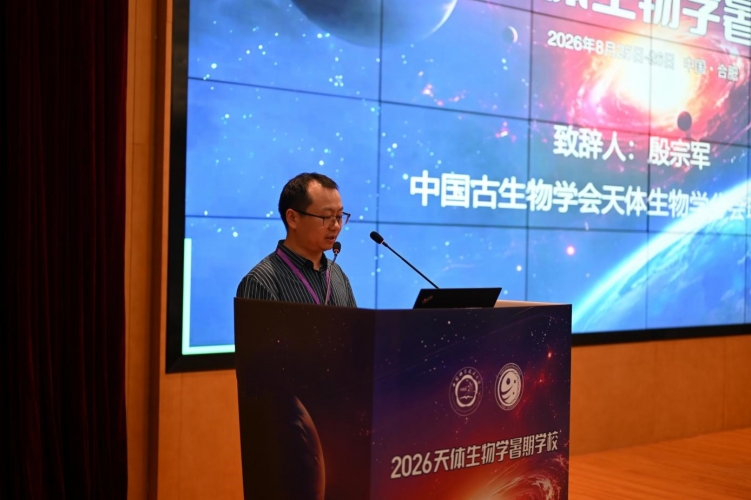
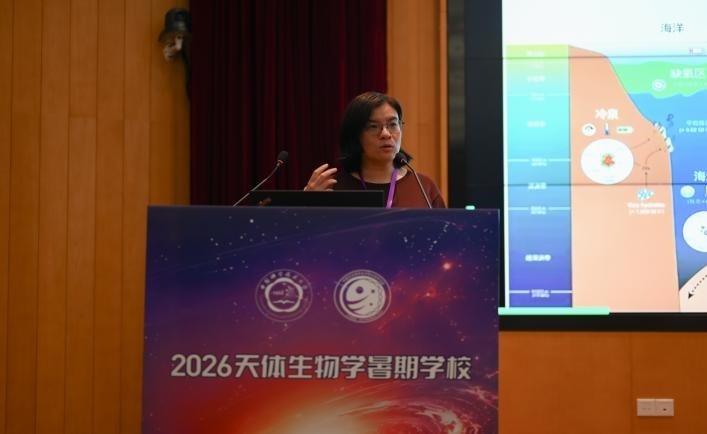
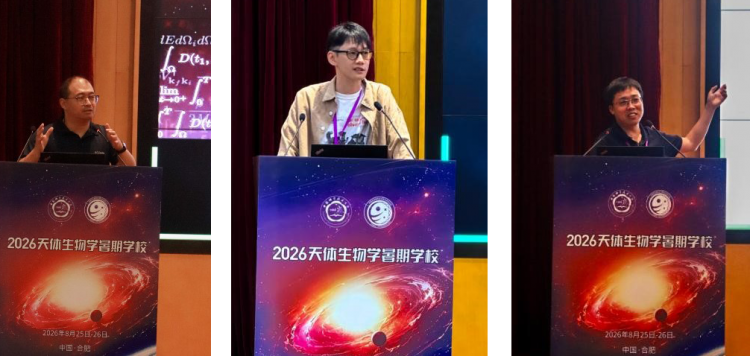
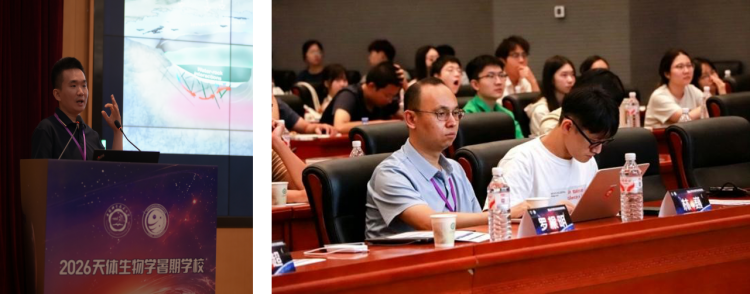
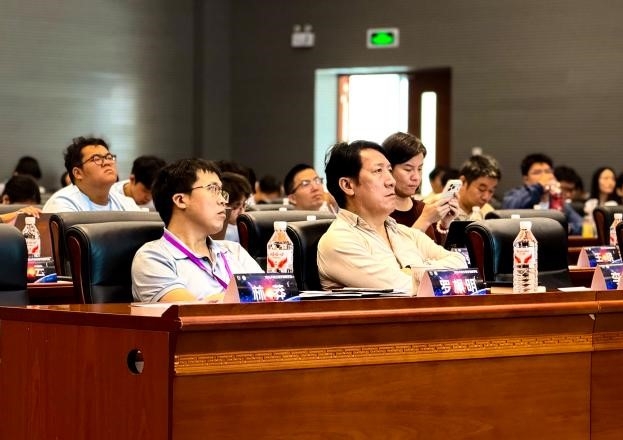
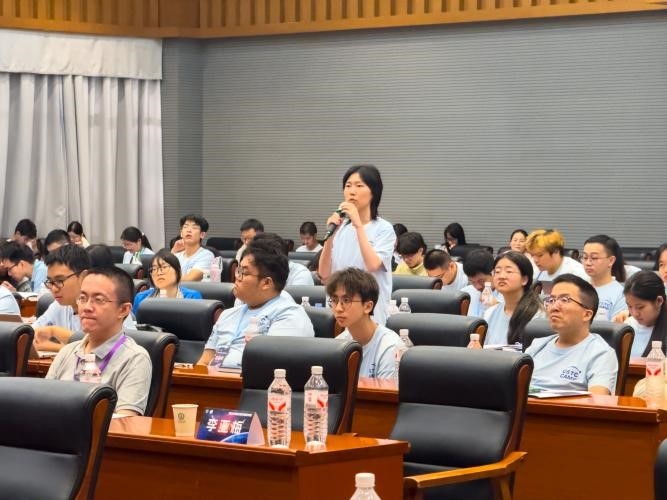
In the following sessions, more than ten distinguished domestic experts including Professor Yiliang Li from the University of Hong Kong and Professor Wei Lin from the Institute of Geology and Geophysics of Chinese Academy of Science, gave systematic lectures covering the research history, theoretical foundations, key scientific questions, research methods and latest advances of the astrobiology field. Their presentations focused on cutting‑edge topics of planetary science and astrobiology, such as the evolution of cosmic habitability, the origin of life on Earth, habitability of Mars and the search for biosignatures, planetary atmospheres, extraterrestrial oceans, deep‑sea microorganisms and life‑detection technologies. The program was primarily delivered through thematic lectures followed by discussion sessions, during which active interactions between experts and participants were observed.
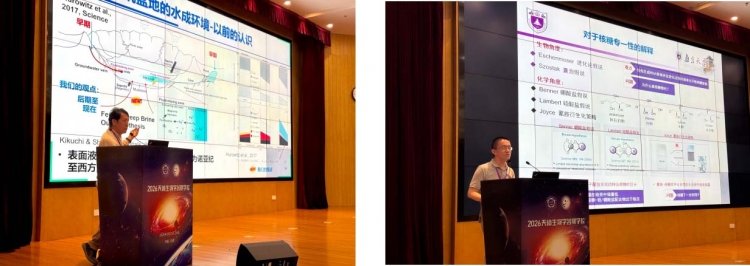
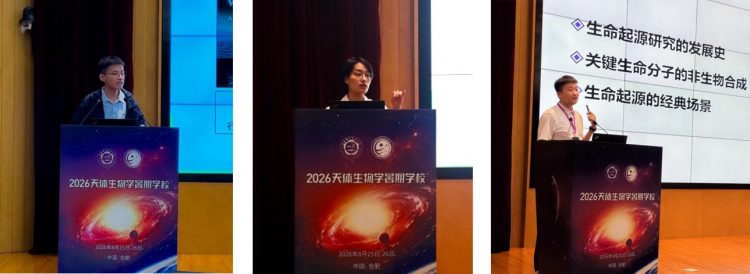
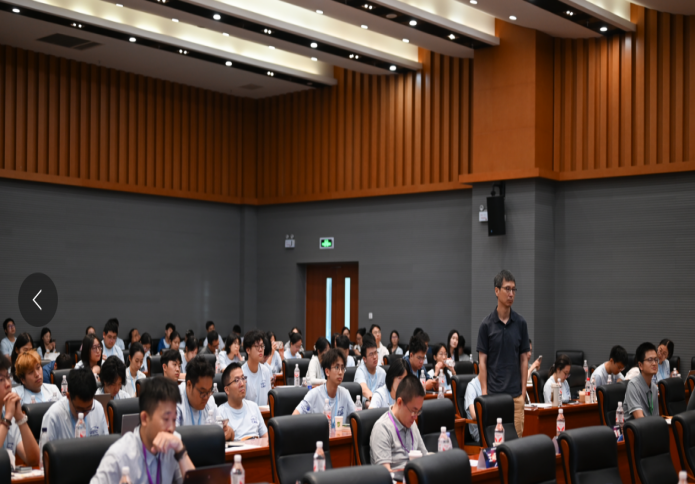
The summer school served as an effective academic exchange platform among young scholars and students engaged in planetary science and astrobiology. The program broadened participants’ academic horizons, inspired them to explore scientific puzzles concerning the universe and life, and motivated them to contribute to national deep‑space exploration missions. During the event, multiple USTC members also invited visiting scholars and participants to tour the Frontier Research Center for Earth and Space Sciences of USTC to facilitate future collaborations. Moving forward, we will leverage our disciplinary strengths to host more academic events, foster the development of young researchers, promote interdisciplinary cooperation, and enhance the domestic and international influence of USTC in the field of planetary science and exploration technology.
2026天体生物学暑期学校在安徽合肥成功举办
为推进行星科学与探测技术交叉学科发展,拓宽青年科研人员学术视野,8月25日至26日,2026天体生物学暑期学校在中国科学技术大学东校区如期举办。本次活动由中国科学技术大学和中国古生物学会天体生物学分会主办,中国科学技术大学深空科学技术研究院、深空探测全国重点实验室(科大)、中国科学技术大学地球和空间科学学院以及中国科学技术大学学科交叉中心联合承办,邀请国内外天体生物学及相关领域专家,面向青年学员开展系列专题教学与学术交流活动,活动共吸引来自国内外70余所科研院校,超230位青年学者与学生参会。
8月25日上午,中国科学技术大学地球和空间科学学院执行院长倪怀玮教授主持暑期学校开幕式。中国科学技术大学党委常委、副校长汪毓明教授,中国古生物学会天体生物学分会理事长、中国科学院南京地质古生物研究所殷宗军研究员出席开幕式并依次致辞。
在随后的日程安排中,香港大学李一良教授、中科院地质与地球物理研究所林巍教授等十余位国内外知名特邀专家学者,围绕多个行星科学与天体生物学前沿议题,包括宇宙宜居性演化、地球生命起源、火星宜居性与生命信号探寻、行星大气、地外海洋、深海微生物以及生命探测技术等前沿研究方向,为学员们系统讲授了学科领域的研究历史、理论基础、关键科学问题、研究方法与最新前沿进展。本次暑期活动主要以专题授课和课后讨论的形式进行,暑期学校现场专家与学员交流互动热烈。
本次暑期学校为青年学者与学生搭建起一个良好的行星科学与天体生物学交流平台,有效拓宽青年学员的学术视野,引导青年学子叩问宇宙与生命的科学谜题,激发大家投身国家深空探测重大任务的热情。在暑期学校期间,多位校内老师还邀请校外学者及学员参观中国科学技术大学地球和空间科学前沿研究中心,促进后续合作交流。未来,我们将继续依托学科平台优势,持续开展各类学术交流活动,助力青年科研人才成长,促进学科交叉与合作交流,扩大我校行星科学与探测技术方向在国内外的影响力。

Institute of Deep Space Science and Technology